
What Is an Earnest Money Deposit When Buying a Home?
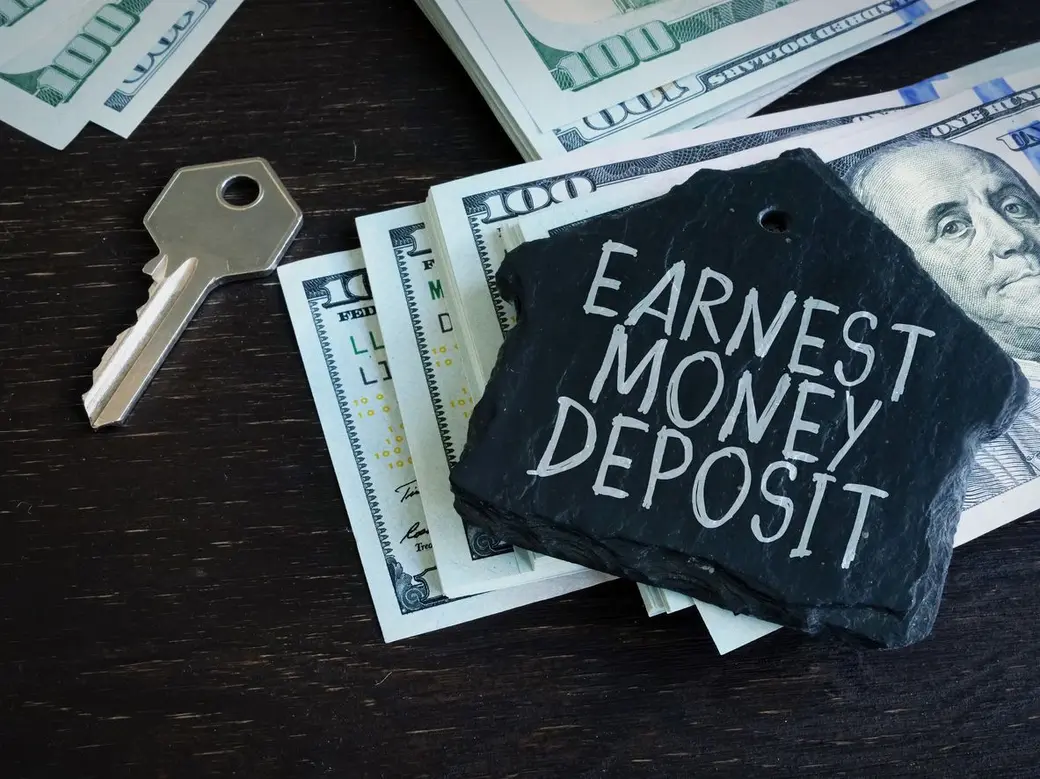
If you're getting ready to buy a home, one of the terms you'll hear pretty quickly is earnest money deposit, often shortened to EMD.
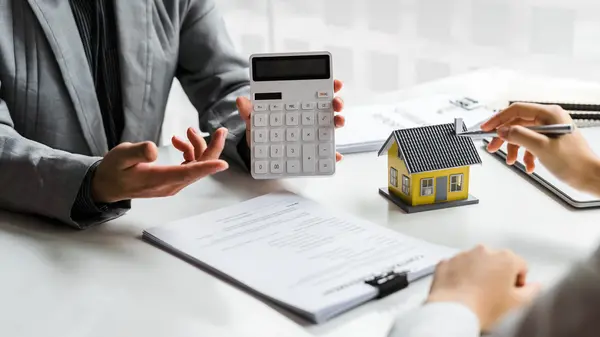
An earnest money deposit is money you agree to deposit after your contract is ratified. It shows the seller that you're serious about moving forward with the purchase. However, that money is still your money. If the purchase goes through, your EMD is credited toward the amount you owe at settlement.
See a short explanation here:
When Do You Pay the Earnest Money Deposit?
Your contract specifies both the amount of the earnest money deposit and the deadline for delivering it. It is typically delivered within a few days after the contract has been ratified, or simply when all the terms have been agreed upon and all parties have signed.
This means it's one of the expenses buyers need to be prepared for early in the transaction, rather than waiting until closing.
Once your offer is accepted, there are several contractual deadlines to keep track of, and delivering your EMD on time is an important one.
How Much Earnest Money Should You Offer?
There isn't one amount that's right for every purchase.
The appropriate EMD can depend on the price of the property, the market, the strength of your offer and the circumstances of the transaction.
It's also one of the terms a seller may consider when comparing offers. That's why I discuss the earnest money deposit with my buyers as part of the overall offer strategy, rather than simply choosing an arbitrary number.
Can You Lose Your Earnest Money Deposit?
This is usually the next question buyers ask.
Whether an earnest money deposit is refundable depends on the terms of the contract, including any applicable contingencies and whether the parties meet their contractual obligations and deadlines. For example, say it is settlement day. All of your contingencies have expired, your loan has been approved, but you simply decide not to go through with the purchase. In that situation, your EMD could be at risk.
That's one reason it's important to understand not only what you're signing when you make an offer, but also what happens after your offer is accepted.
The EMD is your money, but once you're under contract, the terms of the contract matter.
The Bottom Line
An earnest money deposit is a normal part of buying a home. The important thing is understanding how much you're putting down, when it's due, and under what circumstances it could be at risk.
When I'm helping a buyer write an offer, the EMD is one of the terms we discuss along with price, contingencies, closing costs and the other pieces of the offer. The goal is to make sure you understand what you're agreeing to before you sign the contract.
If you're thinking about buying a home in Northern Virginia, Maryland or Washington, D.C., and have questions about the process, feel free to reach out. I'm always happy to listen and help.
Categories
Recent Posts